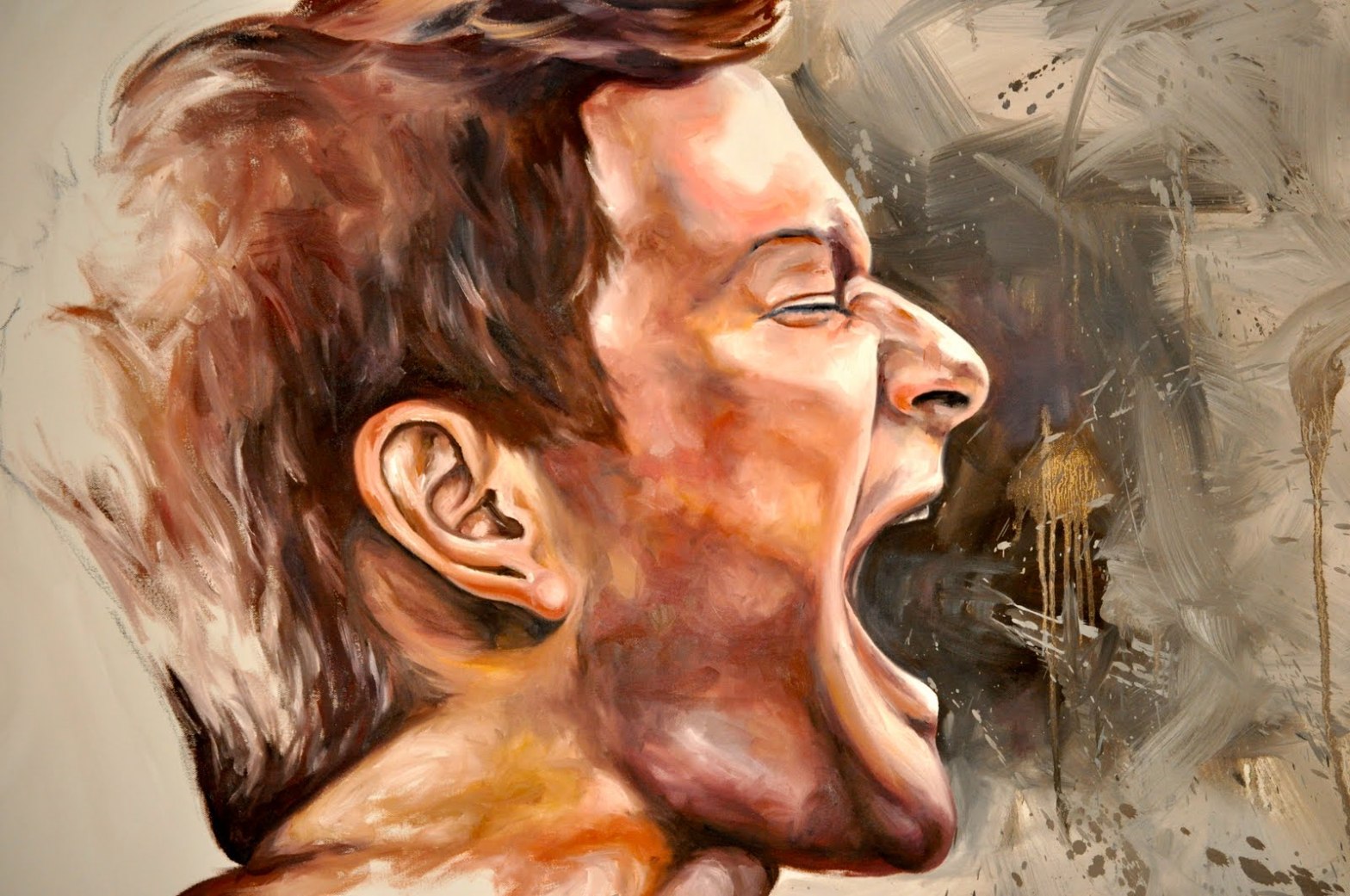
Cluster headache is a problem identified by extremely intense unpleasant attacks in the face (frequently around the eye as well as temple). The discomfort is normally related to a stale or drippy nose, tearing, and eye soreness. The diagnosis is scientific. The crisis treatment is based on taking anti-migraine medicines (triptans or dihydroergotamine) or telehealth psychiatry solutions. Some medicines can be suggested for avoidance, for instance, verapamil, lithium, topiramate, or valproate.
Definition as well as Signs and symptoms
What Is Cluster Frustration?
Collection frustration mainly affects guys as well as normally begins between the ages of 20 and also 40. The origin of this sort of pathology is unknown; dysfunction of the hypothalamic gland is pointed out. Certainly, during a crisis, an area linked to the hypothalamus functions abnormally as well as activates the frameworks in charge of discomfort in the face. Reflexively, the vegetative nerve system triggers tearing, nasal blockage, as well as various other connected symptoms.
To understand! The hypothalamus is a brain building and construction that controls wake-sleep cycles and the production of different hormones.
Usually, cluster frustrations are anecdotal. The assaults can last in between 1 as well as 3 months, with basically one strike per day. A stage of remission (that is, without signs and symptoms) can last several months or perhaps years. The seasonality of the illness is fairly typical, with 1 to 2 episodes each year.
In other cases, collection headache proceeds without remission. We then mention persistent collection migraine, which worries 10% of patients.
To note! Alcohol consumption can activate collection headaches in dilemma times, however not when the person is in remission.
The occurrence of collection headache in the population is estimated at around 0.1%. There is a clear man preponderance. The average age of start is around 28 years.
What Signs?
In general, a collection headache strike lasts between 15 mins as well as 3 hours. Seizures typically happen at the same time each day. There are no warning signs of the crisis.
The signs and symptoms are extremely characteristic.
The discomfort is constantly one-sided and also happens on the exact same side of the face in the orbitotemporal area (in between the eyes and also the temples). The discomfort is exceptionally fierce. It is specified by clients as a “burning”, “feeling of tearing”, “crushing”, “like a blade which one pushes in as well as which one transforms,” or even like “a hot iron which burns. the eye “. It reaches its optimum in a few mins as well as disappears spontaneously in half an hour to 1 hr. The pain can materialize itself in rest as well as wake the client up. Note that the pain local in the orbital region radiates to the forehead, holy place, cheekbone, cheek, or gum in most cases. Although in the limitless majority of instances, the discomfort influences only one side of the face,
Patients in situation are restless (rather than migraine headache clients that seek, however, calmness). Individuals in situation can not lie down, roam really commonly, and also sometimes even strike their heads against the walls. The patient normally presses or hides the painful eye with the hand. Some clients say they want to remove their eyes or throw themselves out the window because the discomfort is so excruciating.
Vegetative signs and symptoms taking place on the very same side as the frustration are linked:
- Nasal blockage;
- Tearing;
- Dripping nose;
- Soreness of the face;
- Claude Bernard Horner disorder (after the seizure, the eyelid on the damaged side might go down, and the pupil may get).
After the situation, in addition to Claude Bernard Horner disorder, other very characteristic manifestations may be associated: the area listed below the eye is puffy, the eye oozes, as well as queasiness.
There is no risk of difficulties. Even very uncomfortable seizures do not harm the brain. There is no link in between the condition and aneurysms or various other deformities.
Diagnosis as well as Therapy
What Medical diagnosis?
The medical diagnosis is, first off, scientific, based upon the doubting of the client. It is based upon the existence of frustrations as well as associated symptoms defining the illness as well as excluding any kind of intracranial abnormality. Other pathologies are left out by doing an MRI (magnetic vibration imaging) of the head or a CT (computed tomography). Keep in mind that offered the uniqueness of the symptoms, it is unusual to execute additional examinations to diagnose. They are usually done just when the symptomatology is not common.
You’ve never heard about it if you’ve had it already, but it is very common. Typically, the diagnosis period is 4 years. Seizures are commonly severe headaches and sinus complications that signal medical attention.
What Treatment?
The attack therapy corresponds to the injection of dihydroergotamine or triptans (particles generally utilized in the therapy of the migraine headache attack) or to the putting on oxygen.
In all clients with constant, serious, as well as debilitating cluster headaches, preventative therapy may be started. It includes:
- Taking a corticosteroid (prednisone) by mouth or infiltrating the occipital nerve to acquire fast but temporary anesthesia;
- As well as taking specific medicines, including verapamil, lithium, topiramate, or valproate, has a slower onset of action.
Of the situation treatments that give quick pain alleviation, the main one is injectable sumatriptan. It can be two times in 24 hr, respecting a 1-hour interval between 2 dosages. Any heart trouble is a contraindication to its usage. Keep in mind that it also exists in the form of a nasal spray.
High flow oxygen can be made use of with a mask for person alleviation. Nevertheless, it works much less swiftly than sumatriptan. It is, nevertheless, without contraindication or restriction of use. It should be recommended and also restored by a specialist, an algologist (discomfort medical professional), or an ENT physician.
 Digitac