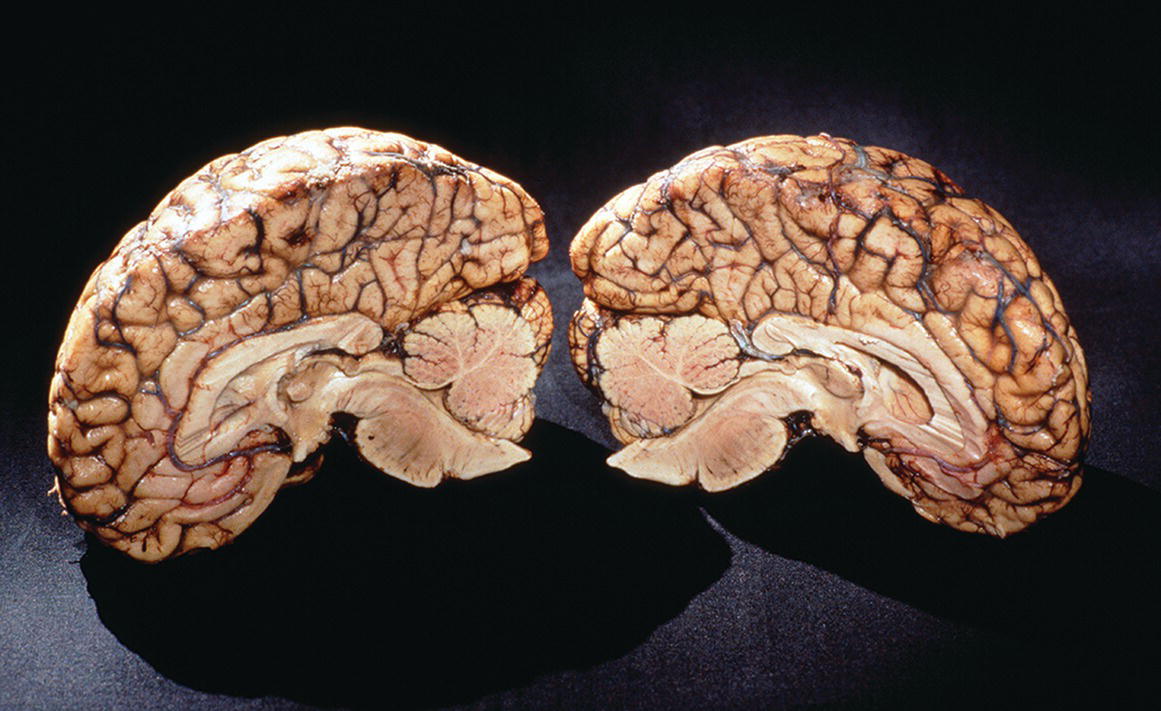
Apraxia is a separated problem and uncommon gestural. This infrequent abnormality results from brain damage that can have various origins (stressful, contagious, etc.). Patients with apraxia have a problem remembering or performing a set of motions necessary to full basic or complex tasks despite having intact physical capacity. The diagnosis of apraxia is professional, but neuropsychological examinations can verify it, and its reason specified by imaging examinations. There is no treatment for apraxia. Assistance by physical rehabilitation and telehealth psychiatry services makes it possible to adjust to the client’s setting and facilitate everyday life.
Meaning and also Signs and symptoms
What is Apraxia?
The term apraxia originates from the words “practice,” which designates every human being’s capability to do gestures. Essentially complex, the latter can be executed with or without an item and be connected or not with action. Apraxia is consequently defined by difficulty in executing a series of motions.
There are different types of apraxia relying on the part of the brain-injured, consisting of ideomotor apraxia in case of the parietal wattle’s participation and imagination or positive apraxia involvement of the parietal-temporal-occipital junction.
Note that agraphia (inability to write) and aphasia of expression (problems of speech) are additional apraxia forms.
Usually, apraxia is triggered by damages to the brain, especially the parietal lobes or nerve pathways. The influenced areas of the mind are in charge of remembering the discovered series of activities. These lesions might be related to a lump, injury, infection, vascular condition (stroke ), or dementia.
What are The Manifestations?
Patients experiencing apraxia are no longer able to memorize or achieve a series of motions to carry out more or less complicated tasks. For example, it is tough for them to press a button, despite the fact that their hands are physically able to do so.
Ideomotor apraxia results in a lack of ability to do a spoken command gesture when spontaneous activity and reflexes are undamaged. For instance, the person can not make the sign of the cross if asked, while he will certainly be able to do so spontaneously upon going into a church. Note that this type of apraxia is related to aphasia.
To know! Aphasia is the medical term that designates a partial or failure to share oneself or recognize the composed and spoken language.
Ideational apraxia includes a disruption in activity coordination when action calls for using an item such as dressing or lighting a candle, for instance. The gestures are jerky and perplexed. It is complicated for the patient to adhere to a specific strategy. This type of apraxia is commonly related to Wernicke’s aphasia and homonymous lateral hemianopsia (loss of the best or left side of the field of vision).
To recognize! Wernicke’s aphasia is additionally known as receptive or sensory aphasia. The patient can share himself, however, the selected words are inappropriate, the sentence’s building and construction illogical, and the flow too high, which makes his speech incomprehensible.
Constructive apraxia appears by a problem in capturing the spatial relationships of things. For example, it is hard for individuals to graphically reproduce easy or intricate numbers. This apraxia can, in some cases, be connected with Wernicke’s aphasia.
Dynamic apraxia is identified by a lack of ability to execute a series of rapid activities on demand according to an established routine. For example, the individual can not efficiently and rapidly present his hand, palm, and finally, his hand’s side.
It additionally exists:
· The apraxia of the dressing which avoids the patient from carrying out activities thought about to be easy or regular such as tying their laces or buttoning their tee shirt;
· Dental and face apraxia, shown up by trouble in making movements with the face such as whistling or standing out the tongue.
People with apraxia of speech are unable to generate the noises fundamental to spoken expression. Undoubtedly, individuals do not handle to launch, collaborate, or carry out the muscle activities essential to speech.
Lastly, some kinds of apraxia might only influence the efficiency of a few extremely particular tasks, such as buttoning your shirt, connecting your shoelaces, or perhaps picking up a phone.
Typically speaking, apraxic patients experience a loss of their freedom in everyday tasks. It ought to be noted that the apraxia caused by a cerebrovascular accident (CVA) progresses in a much more secure way, also take advantage of an enhancement of its signs and symptoms.
Threat Variables
Irregularities in the FOXP2 gene appear to increase the threat of childhood years apraxia of speech (CAS) as well as other speech and also language health problems. The FOXP2 genetics may be detailed in just how particular nerves and also paths in mind develop. Scientists continue finding out how irregularities in the FOXP2 gene might affect motor control and speech and language-handling minds.
Complications
Various kids with youth apraxia of speech (CAS) have various other difficulties that impact their ability to connect. These troubles aren’t a result of CAS, however, they might be seen in addition to CAS.
Symptoms of difficulties that are usually existing together with CAS include:
Delayed languages, such as problem comprehending speech, minimized vocabulary, or problem using proper grammar when positioning words with each other in a phrase or sentence
Hold-ups in intellectual and motor growth as well as troubles with reading, punctuation, and also writing
Problems with gross as well as fine electric motor movement abilities or coordination
Hypersensitivity, in which the youngster might not like some appearances in apparel or the structure of specific foods, or the child might not like tooth cleaning
 Digitac