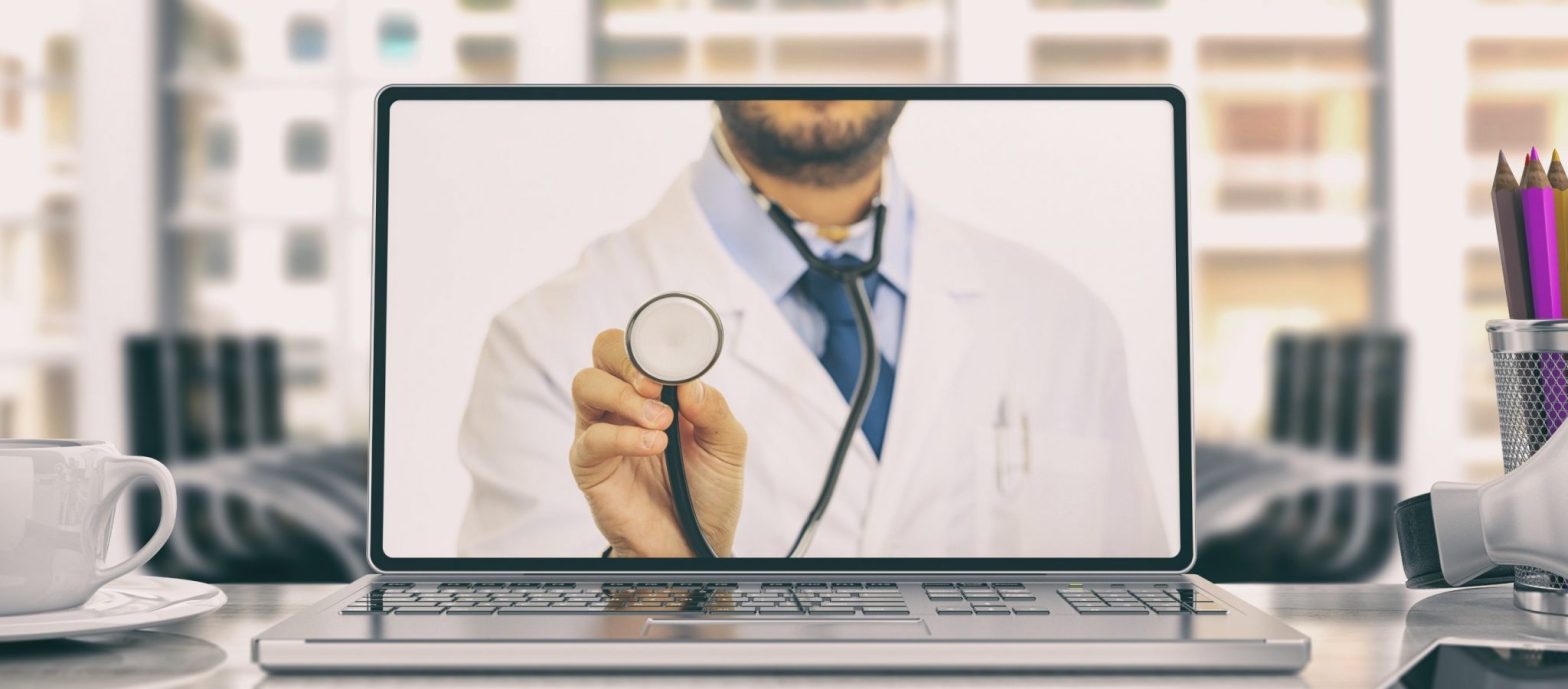
In recent decades, knowledge and networking technology related to healthcare globally has positively affected healthcare. With the ICT movement in the late 1990s, involvement in telemedicine resurfaces, an advancement that will be relevant to the health system’s growth and improvement in the next several years. A crucial and transformative feature, both from a technical and social and economic point of view, because telemedicine provides solutions to today’s problems, including the increasing need for health care, the aging of the population, and the need to handle vast quantities of knowledge.
From assistance in remote areas to the commitment to connected health
This evolution of Emerging Technology facilitates the extension and adoption of the principles of globality and interoperability in health institutions, thereby facilitating and fostering operational and work cultures that go beyond telemedicine use in health care fields. Internet.
With this latest panorama, telemedicine opens up both the possibility of providing treatment in remote places and lack of experts and enabling a multidisciplinary approach that strengthens, amongst others, the doctor’s figure in primary care.
New technology in health is emerging and innovating, enabling more telemedicine initiatives to be created. The improvement in internet speeds allows us to build initiatives from online consulting to online patient management. Likewise, the incorporation of mobile telecommunications helps these projects to penetrate remote regions. This is the case of the military operations coordinated by ACRUX and the Chilean Navy, in whichever since March 2016; emergency facilities are taken closer to patients in places with no medical providers and are difficult to reach.
The interoperability of technologies and telecommunications allows telemedicine to handle logistical, diagnostic, medication, and well-being across the whole care phase. In this way, certain telemedicine implementations may be:
Remote Patient Assistance
Thanks to the connection with specialists elsewhere, remote medical assistance is one of its most widespread uses.
In Chile, 57.8% of physicians live together in the central region, which obliges patients from rural places to move large distances to obtain treatment. Telemedicine facilitates online meetings with the referring doctor in primary care, the decrease of diagnostic and recovery wait times, and referrals.
Telemedicine is, moreover, rapidly taking space in the healthcare phase. It is also widely used for the online control and control of patients for various programmes. Among them, we emphasize:
Telecommunications consultation. It requires remote patient surveillance, detection or care. To this end, it is important to share clinical knowledge. Examples of this include radiology delivery or related photos (teleradiology), laboratory or electronic health reports (telepathology), and their usage in specialties such as dermatology, neuroscience, or cardiology.
Telemonitoring. Telemonitoring. It allows patients to be tracked with molecular, physiological and biometric criteria, mostly critically ill individuals. Telemonitoring plays a vital role in helping patients to remain safe. It encourages them to play an active part in their treatment during their hospitalization.
Telesurgery. Telesurgery. One of the great revolutions of telemedicine will begin to grow in the next few years. The use of robots and augmented reality has contributed to a rising amount of advanced telesurgery operations.
Administrative management and patient services
Telemedicine supports monitoring and compliance methods, such as prior consultation meetings or diagnostic examination orders.
Distance training and support in decision-making for health professionals
Telemedicine favors communication and collaborative work between health professionals regardless of their geographical location.
In this sense, it is not only an advantage for health professionals. Telemedicine has been working in recent years as an empowering tool for patients when facing their disease, thanks to the possibility of requesting a second opinion or diagnosis.
Benefits of Telemedicine
Telemedicine benefits are multiple, and its future is increasingly promising for health systems and their sustainability. However, some key benefits can be highlighted, such as:
- Equity in access to health services
- Allows collaborative work between teams of clinical professionals
- Promotes continuity of care
- We are improving the efficiency of health services.
Telemedicine is a bet for overcoming the socio-economic problems confronting health care services worldwide. It improves the value of this technology in increasing healthcare services’ effectiveness and efficiency by maximising health care infrastructure, improved control of demand, minimising stays in hospitals, and decreasing travel. Kentucky mental health care provides the best Telehealth Psychiatry Services all over the USA.
 Digitac